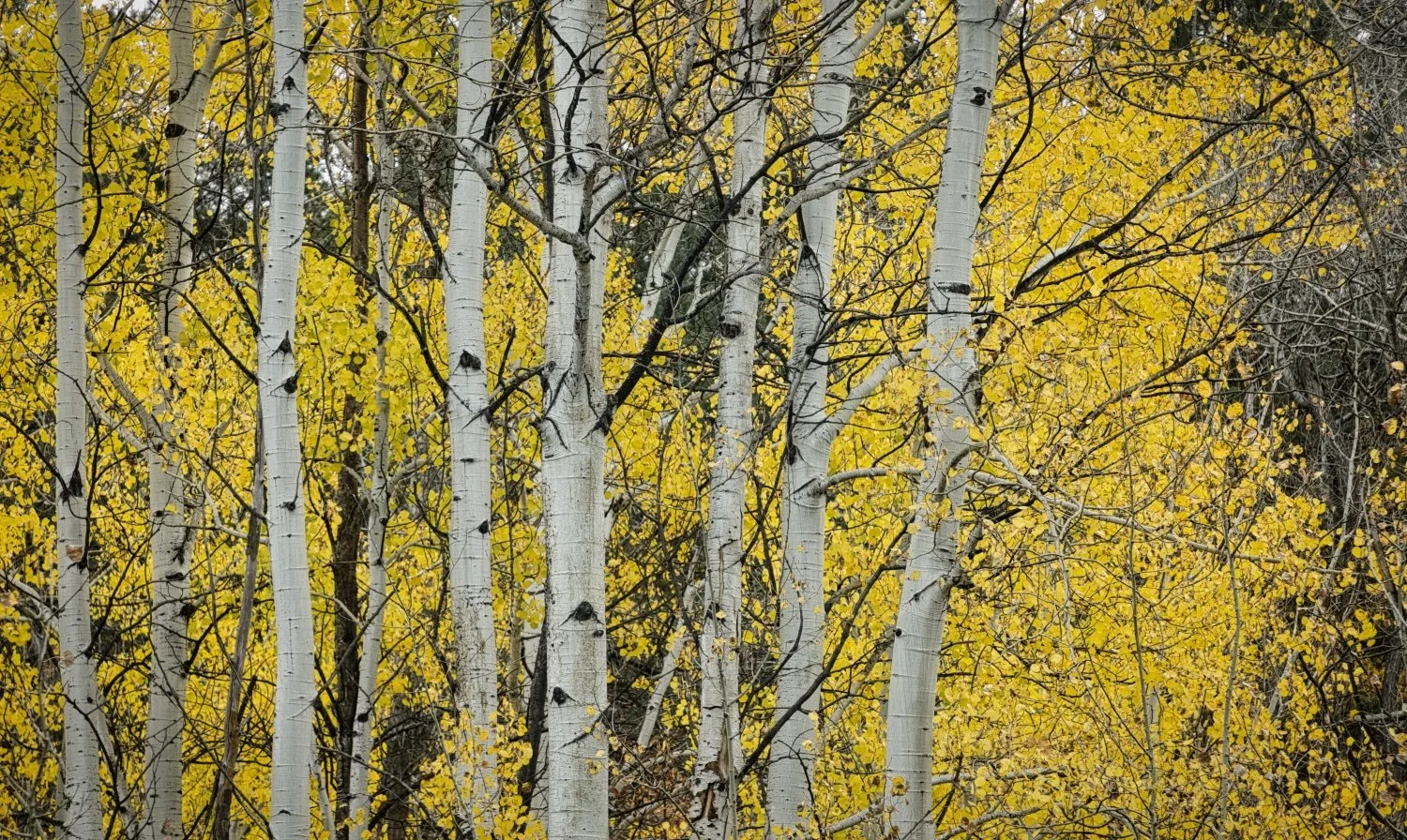
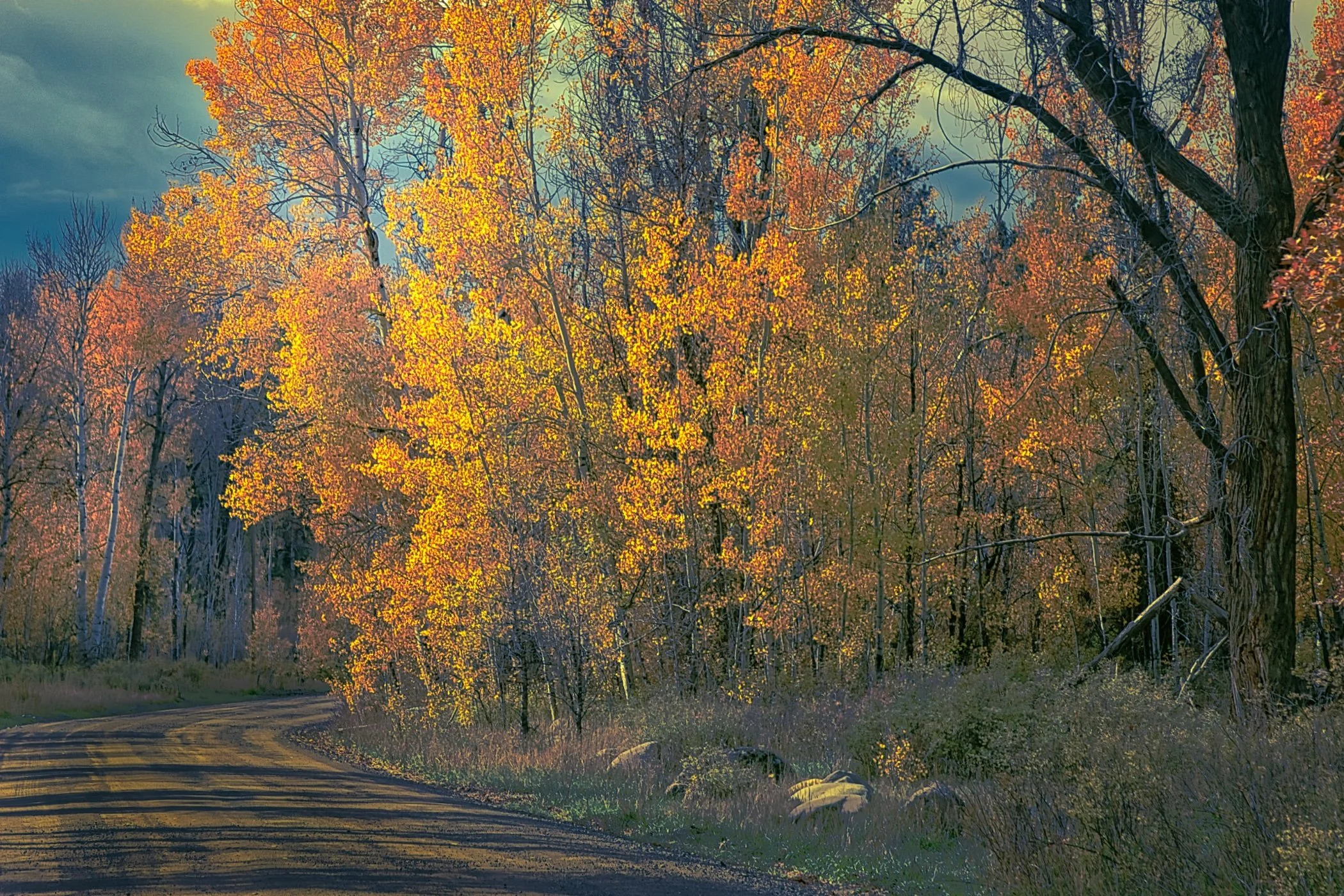
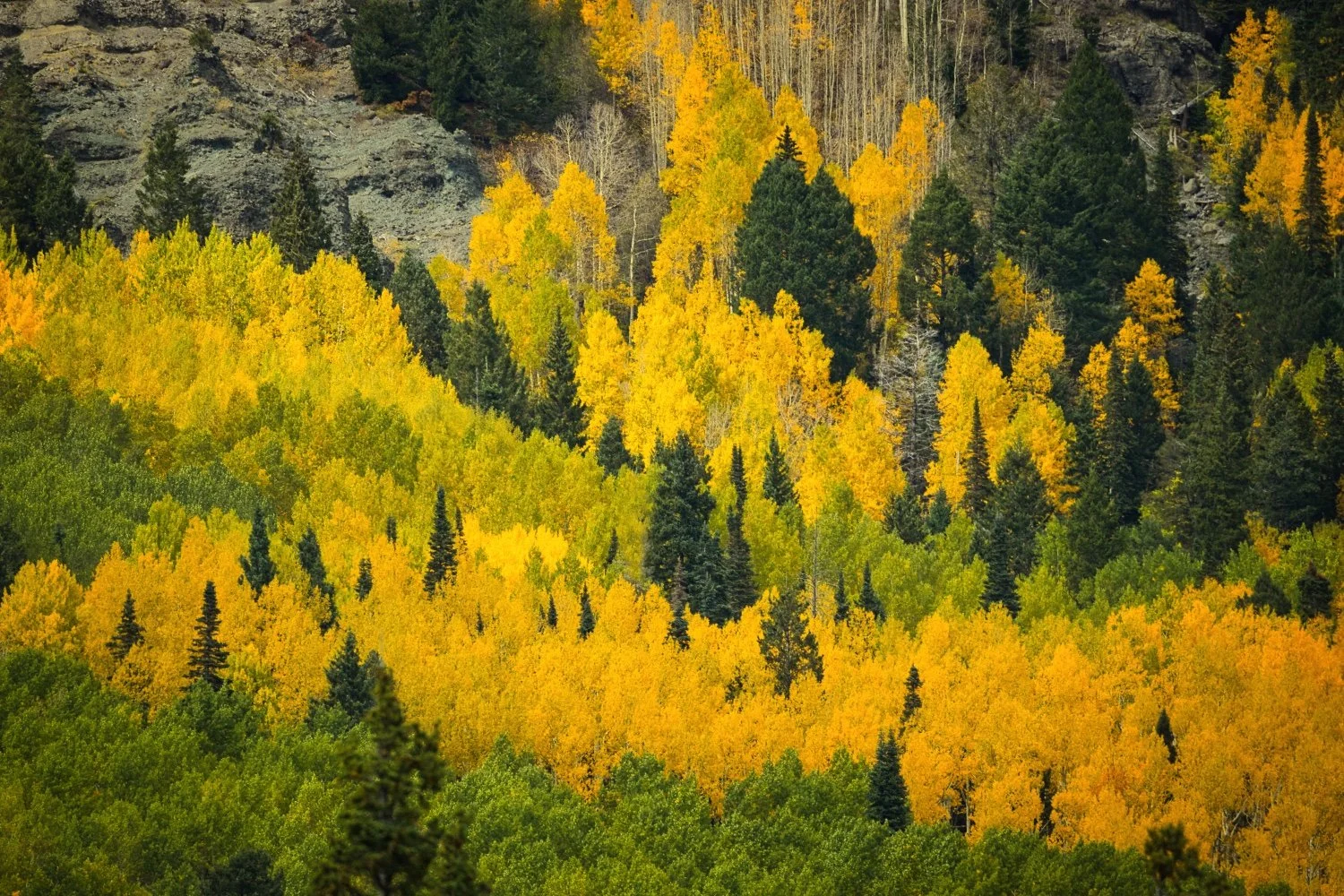
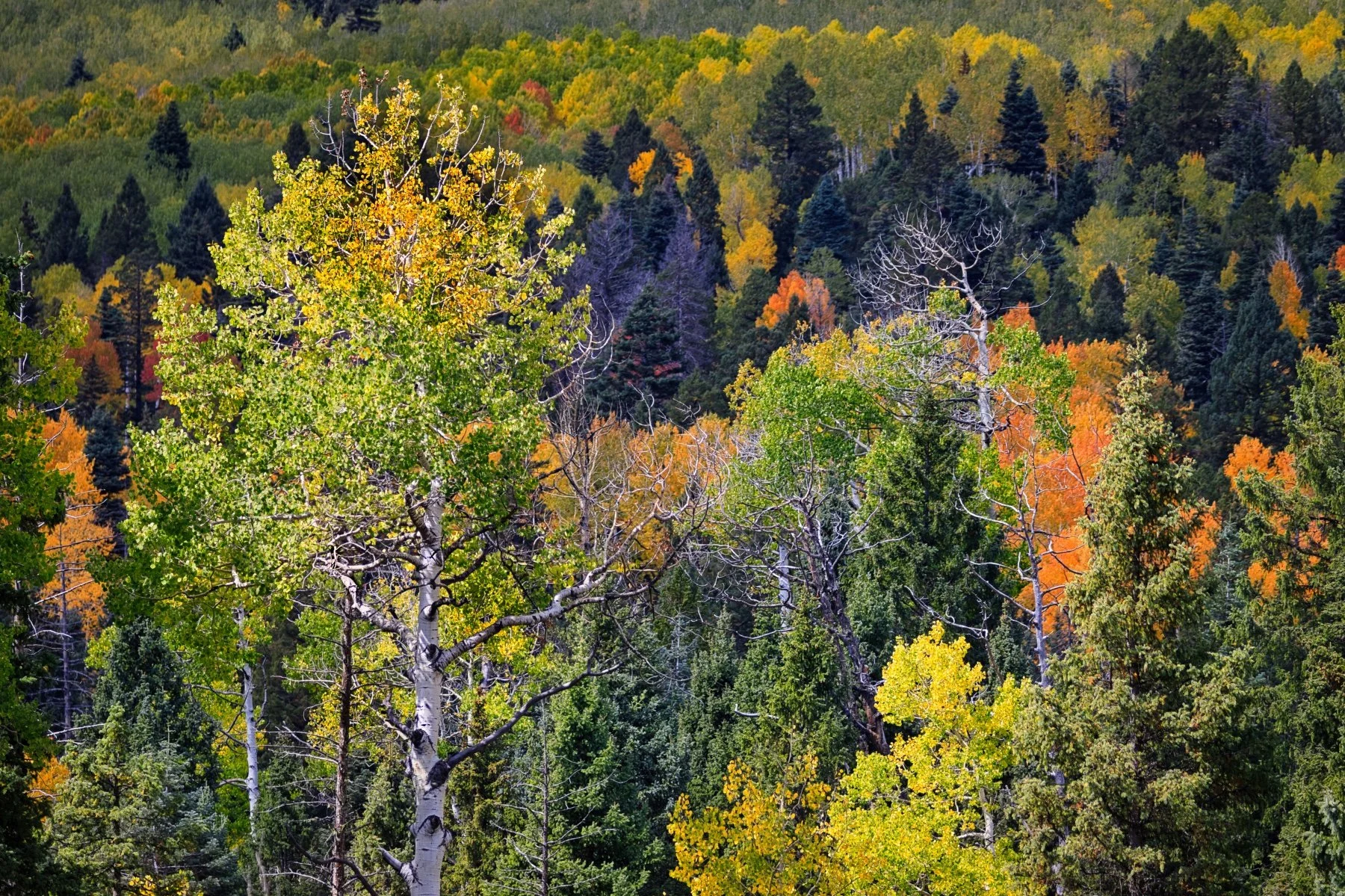
Why do fall foliage colors grab our attention? For many of us—because they interrupt the familiar. All summer the forest wears a steady palette of yellow-greens and blue-greens; autumn replaces that continuity with bursts of gold, orange, and red. Those hues are visually striking against trunks, sky, and lingering evergreens—the increased luminance and edge detection enhance contrasts in our perception. Leaves seem to glow and whole trees pop from the scene.
There’s also a psychological dimension: transience. Autumn colors are brief and variable. Knowing they will fade within days or weeks makes them feel precious and worth taking the time to notice. That rarity triggers a heightened appreciation, the same attentiveness we give to other fleeting events.
Finally, there’s cultural and seasonal context. Fall signals change—harvest, cooling weather, the approach of winter—which primes us to slow down and notice. The combination of strong visual contrast, brief duration, and seasonal meaning explains why fall colors so powerfully catch our eye.
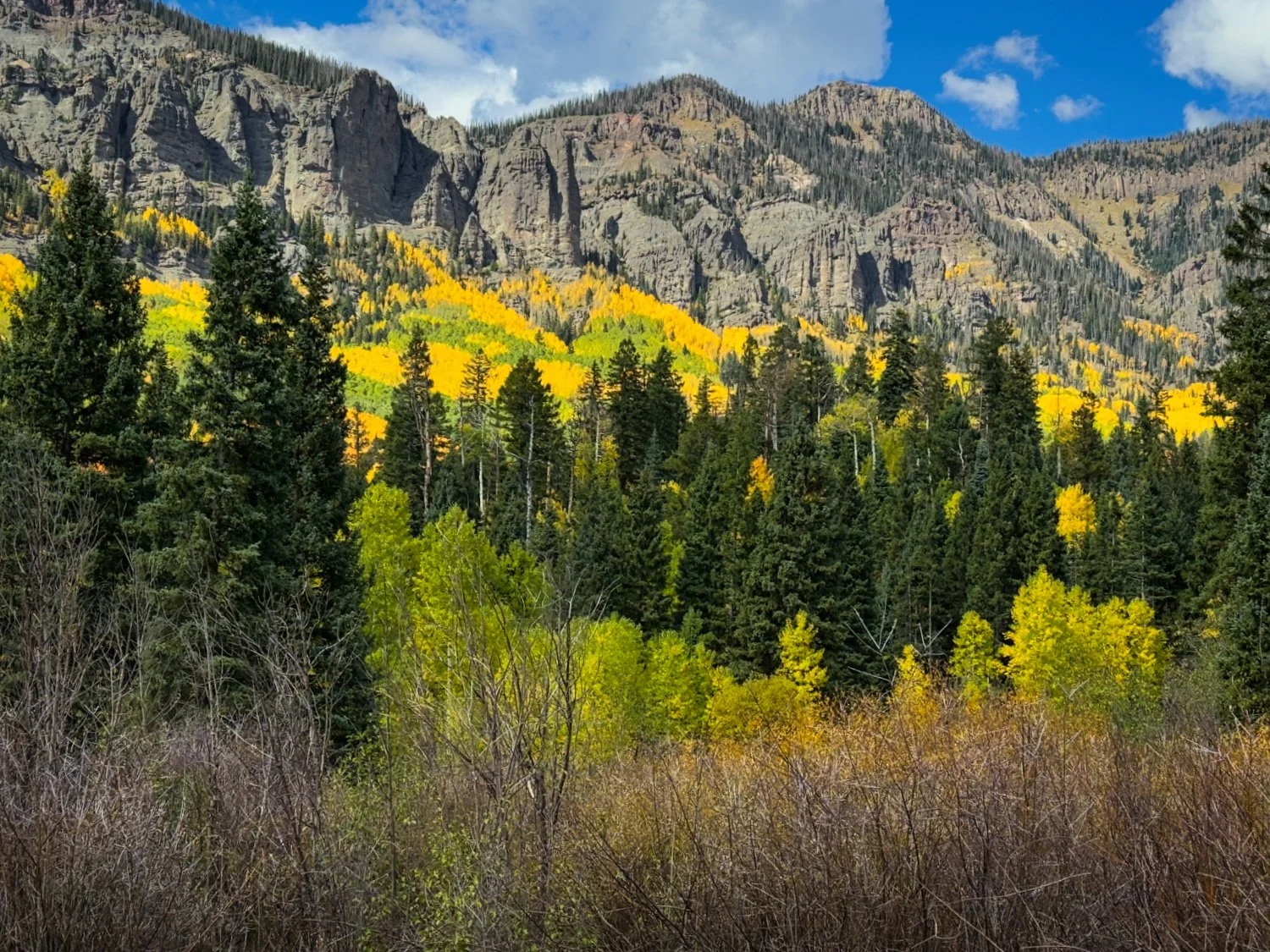
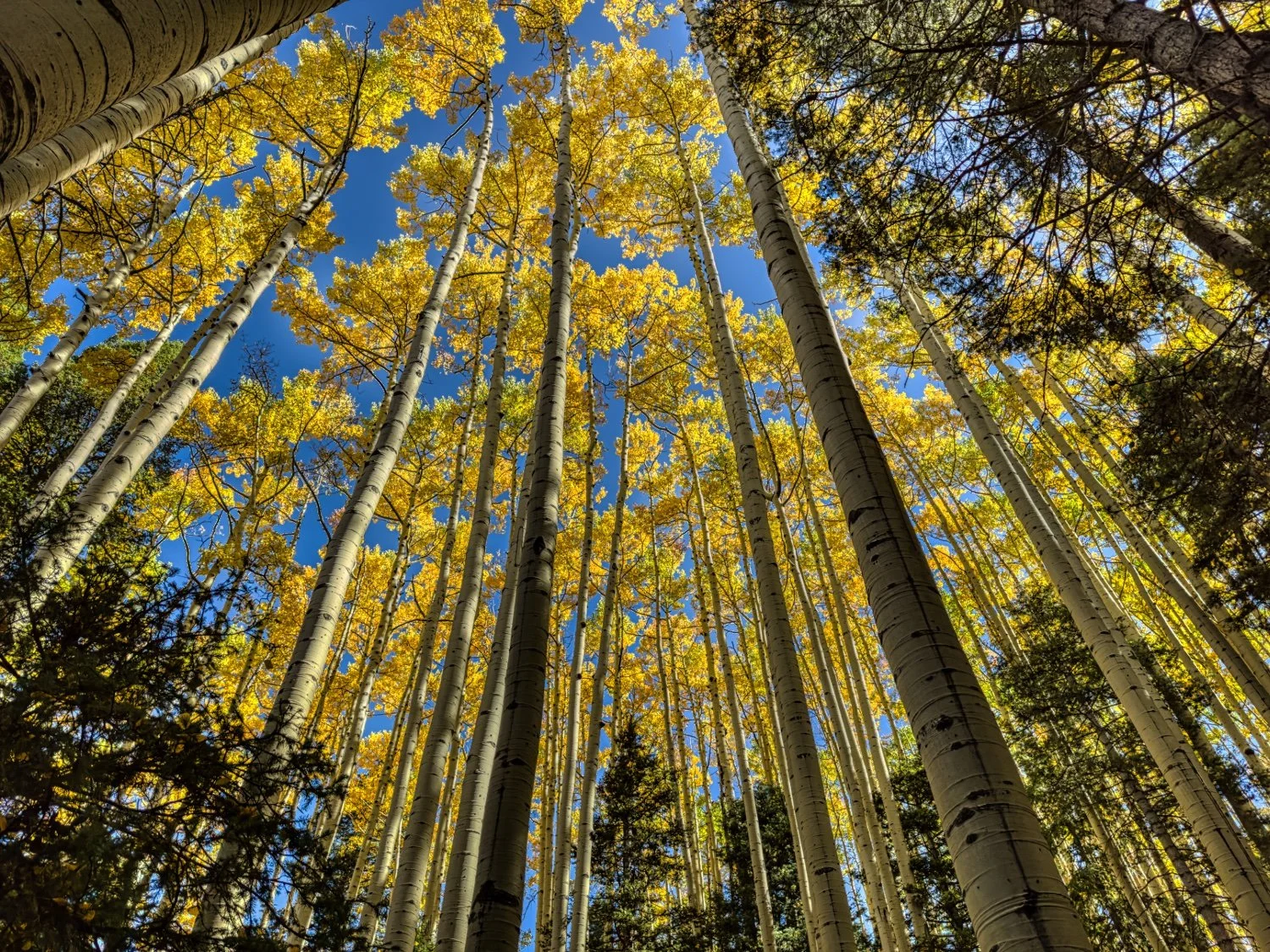
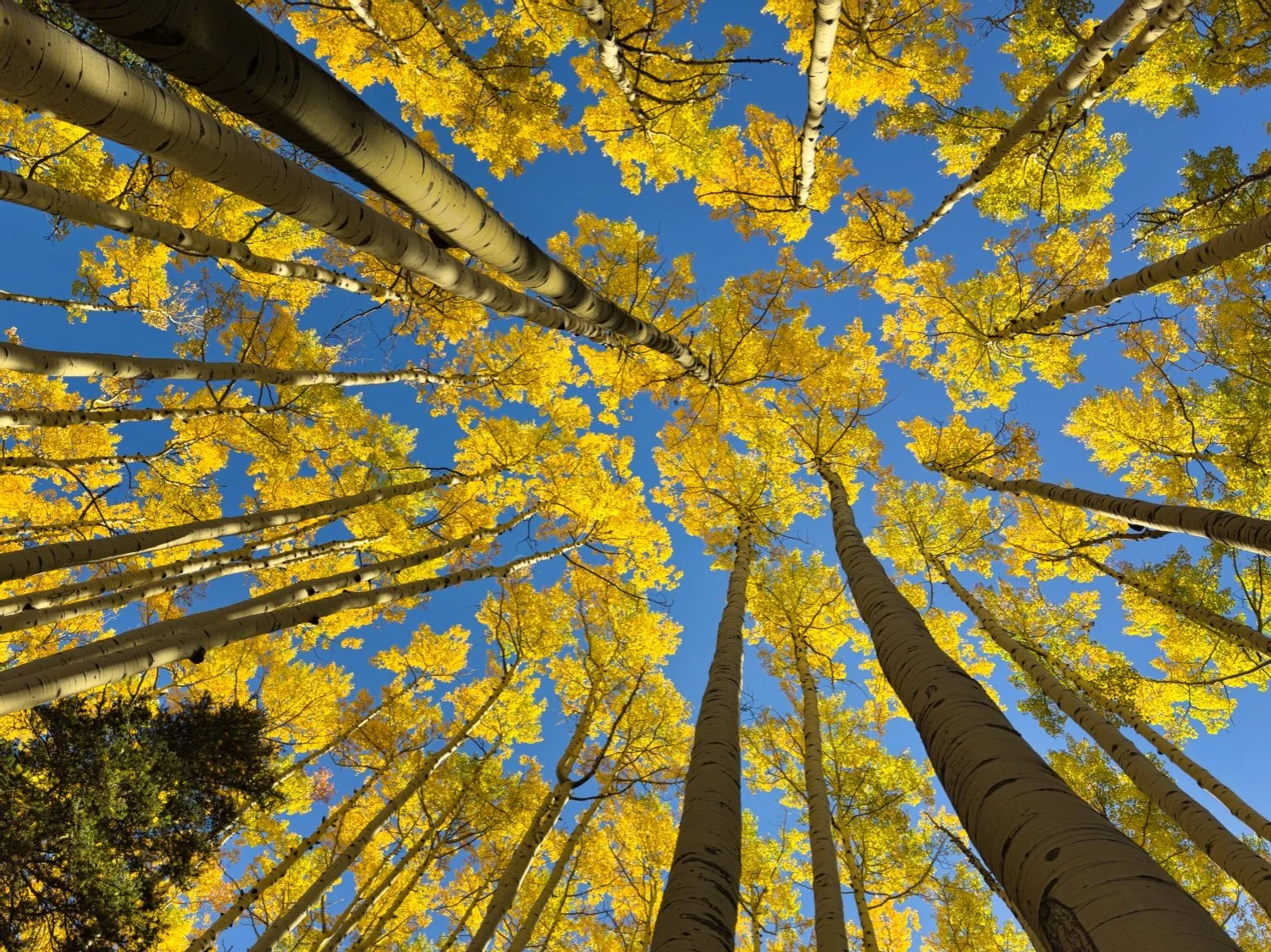
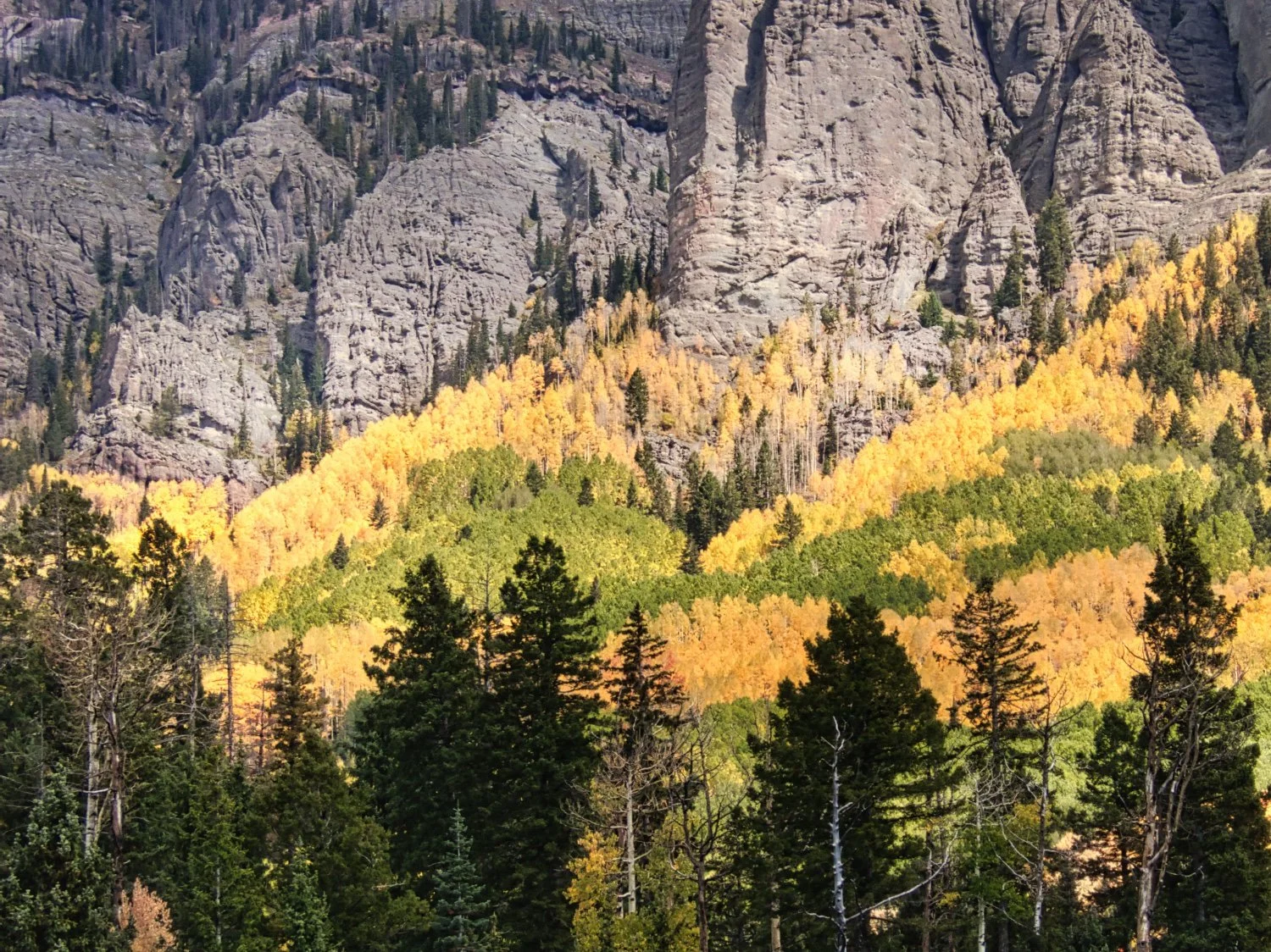
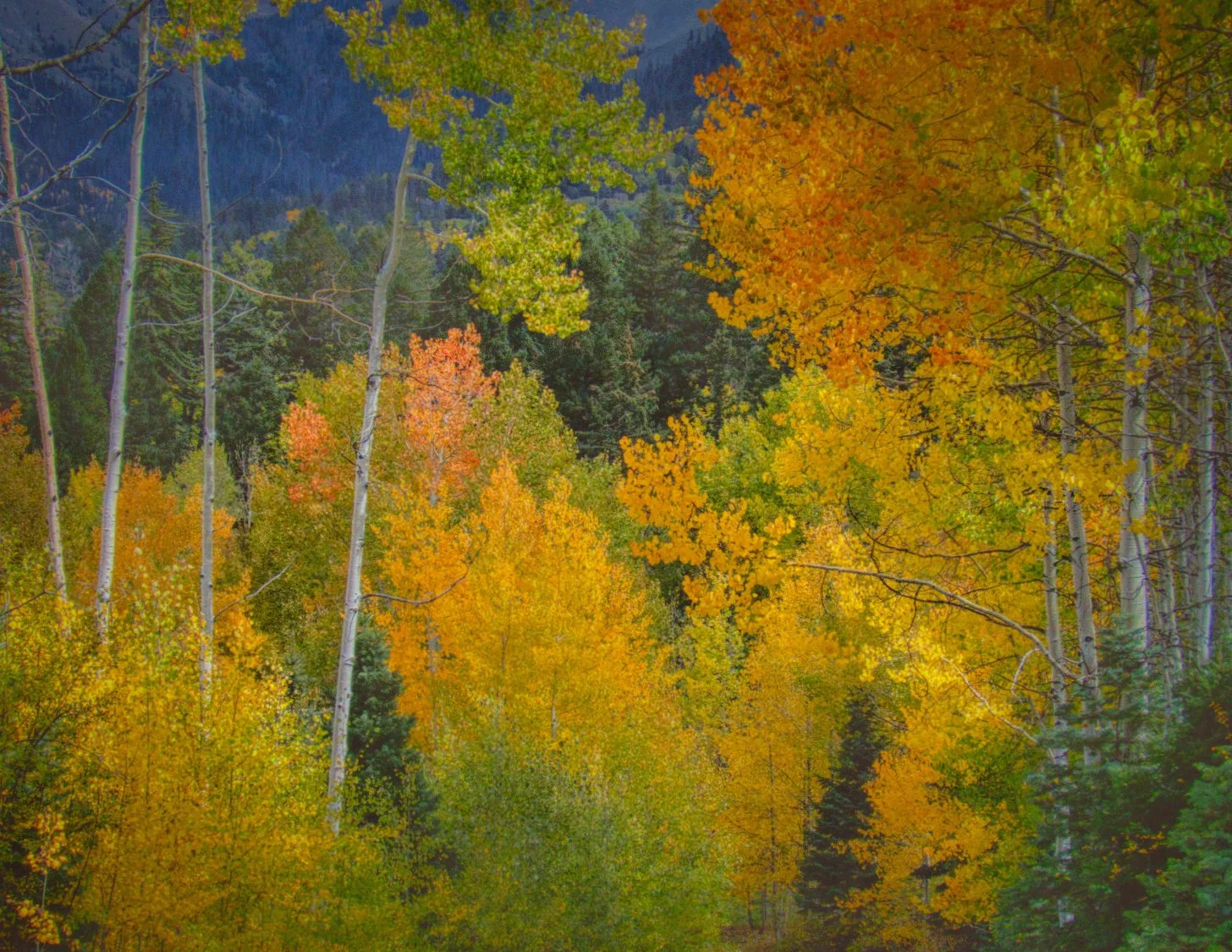
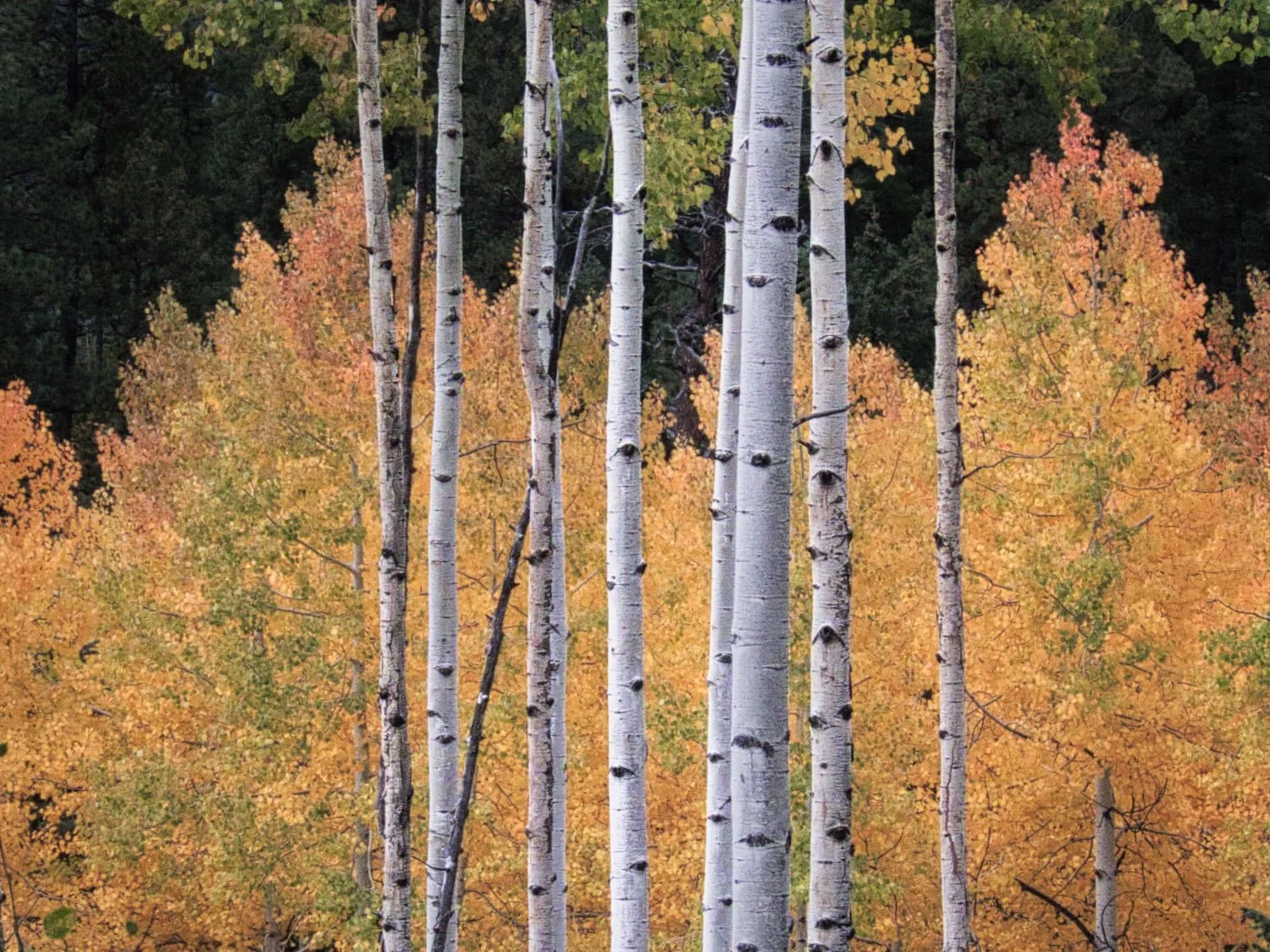
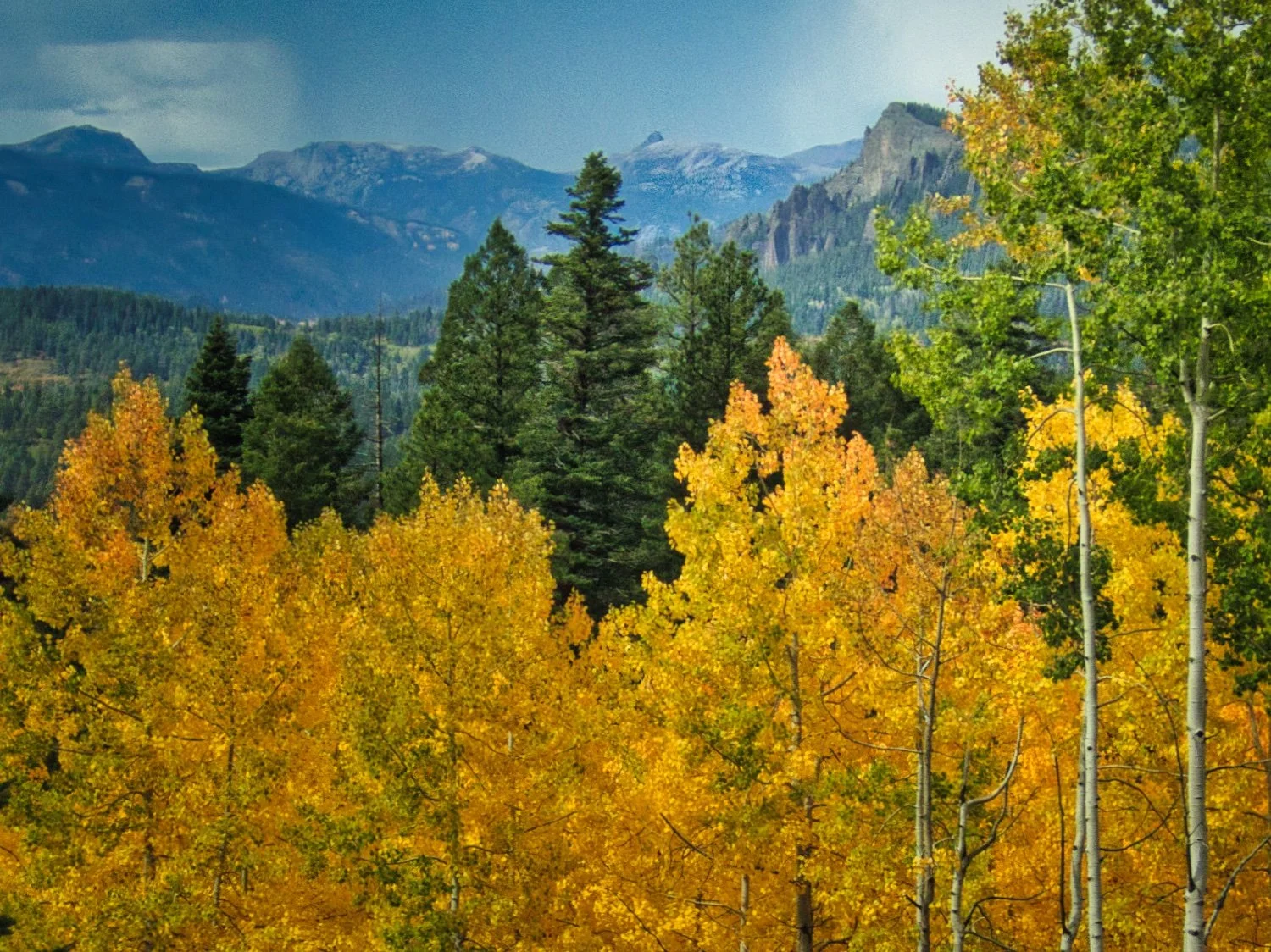
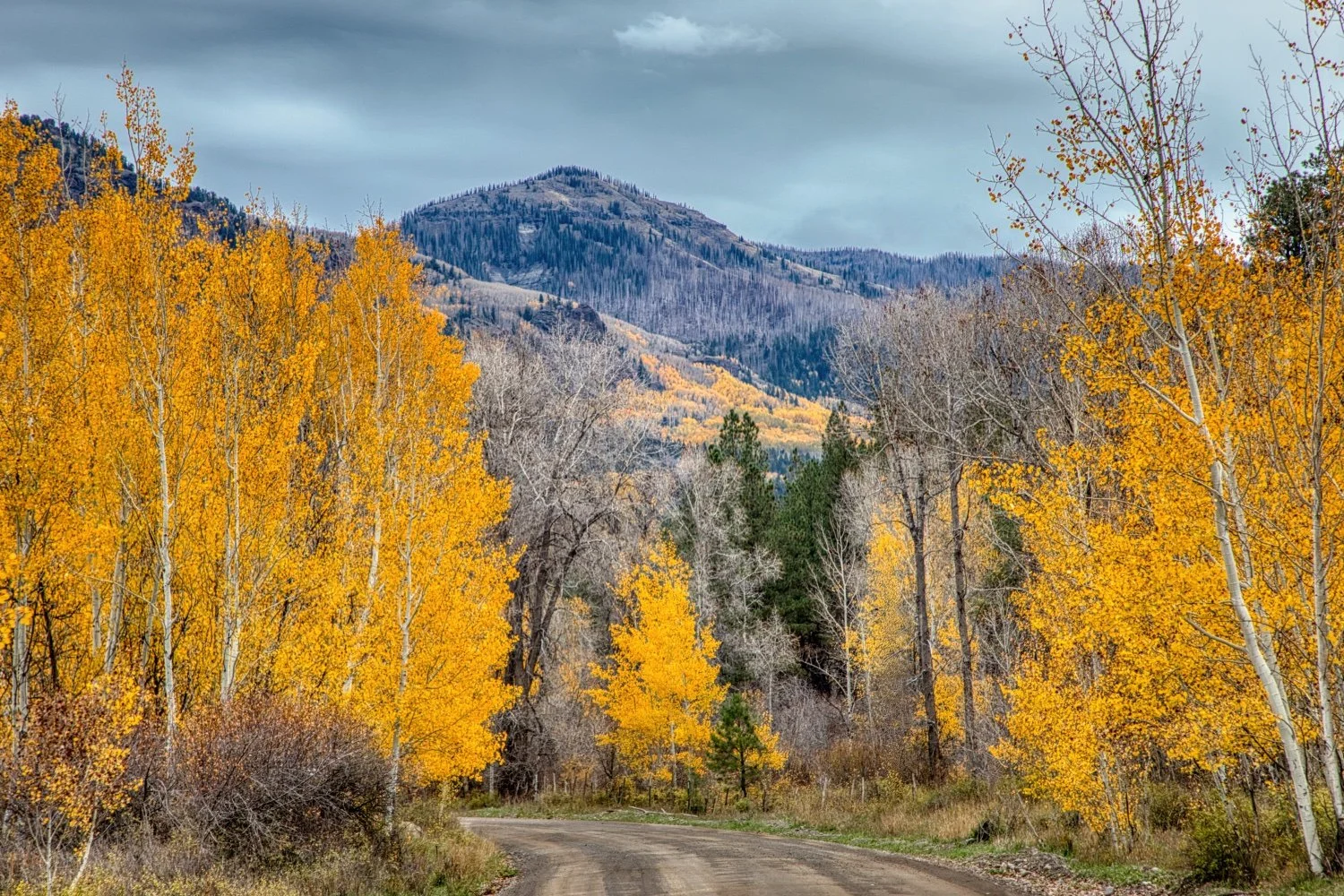
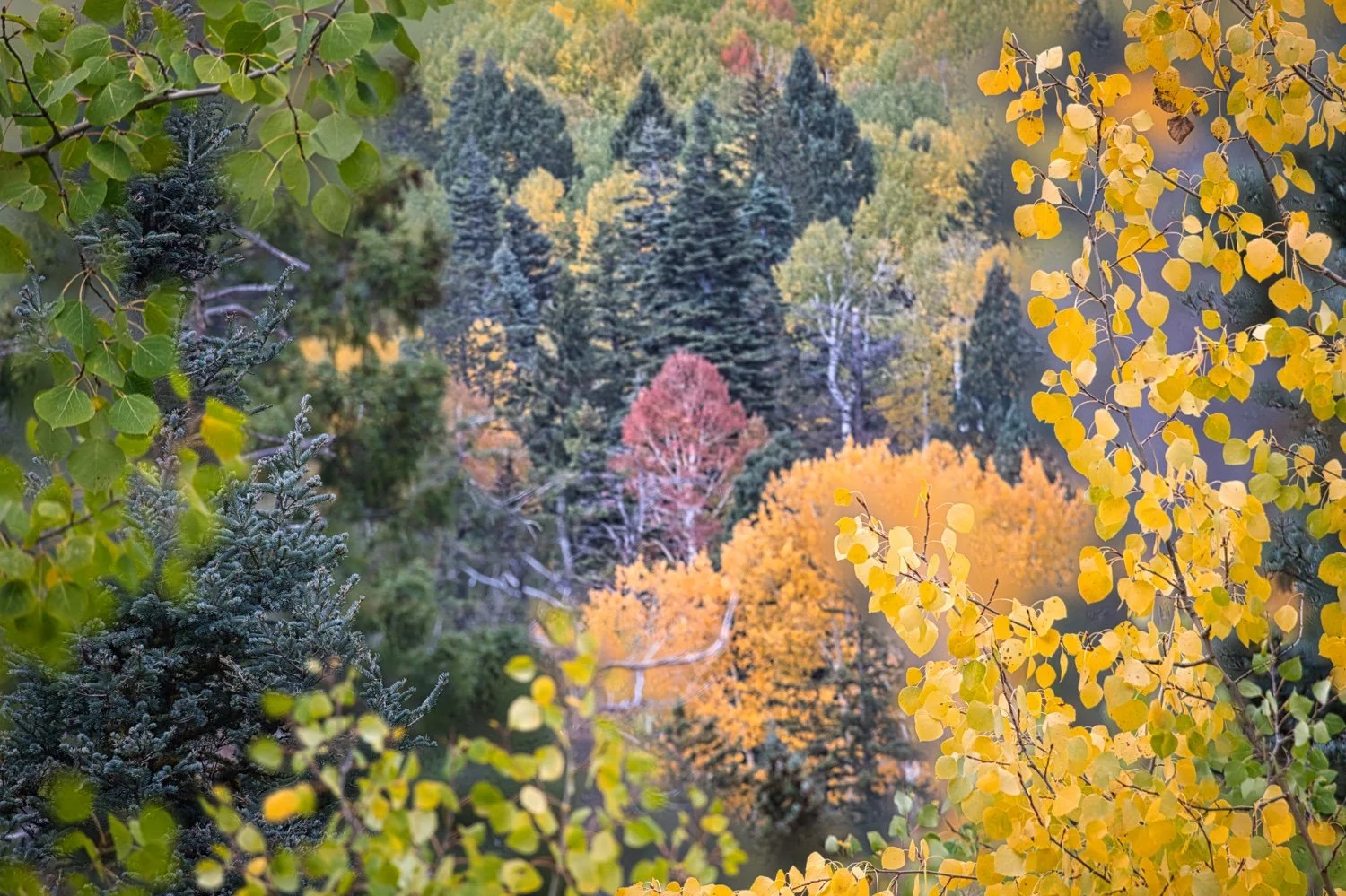
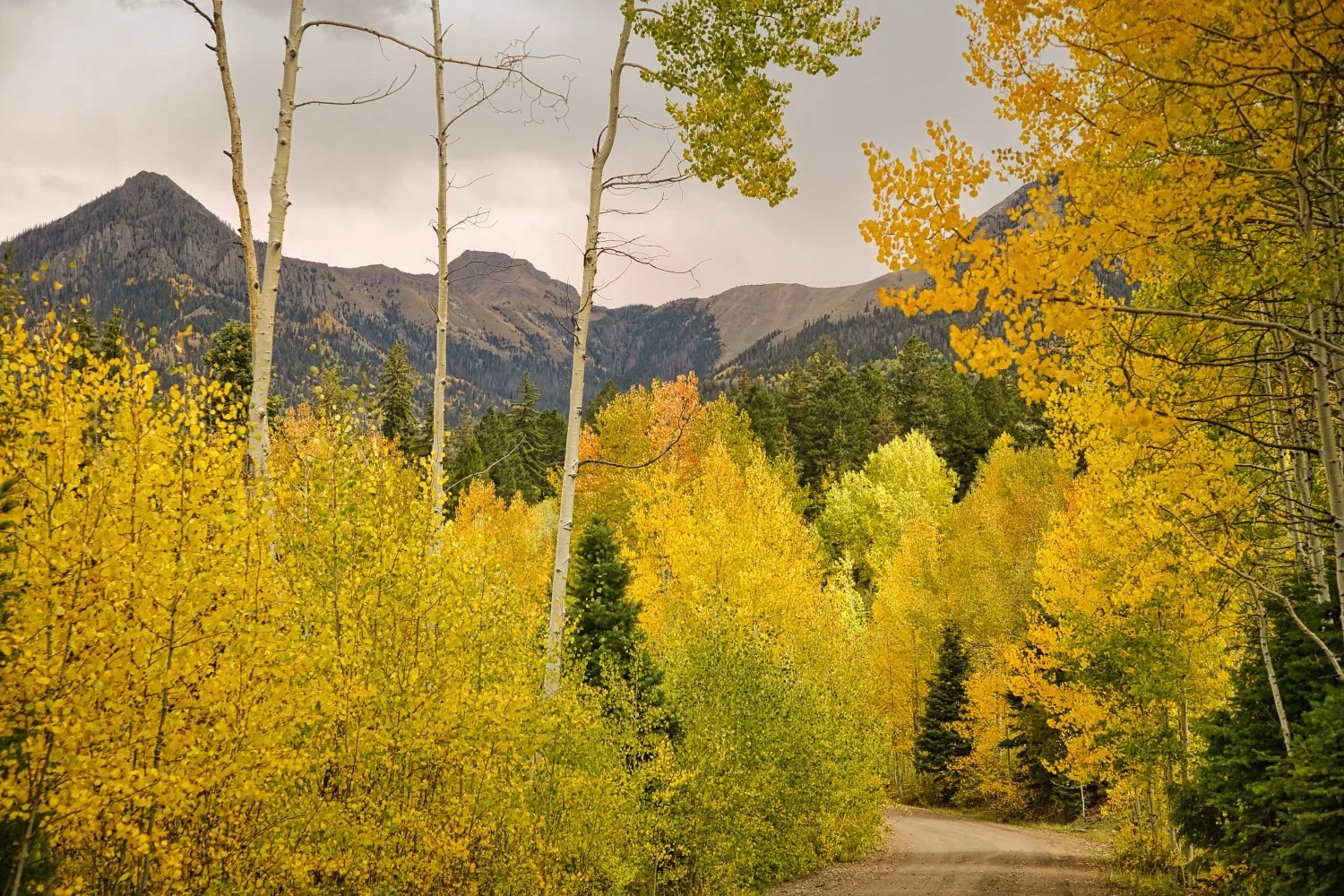
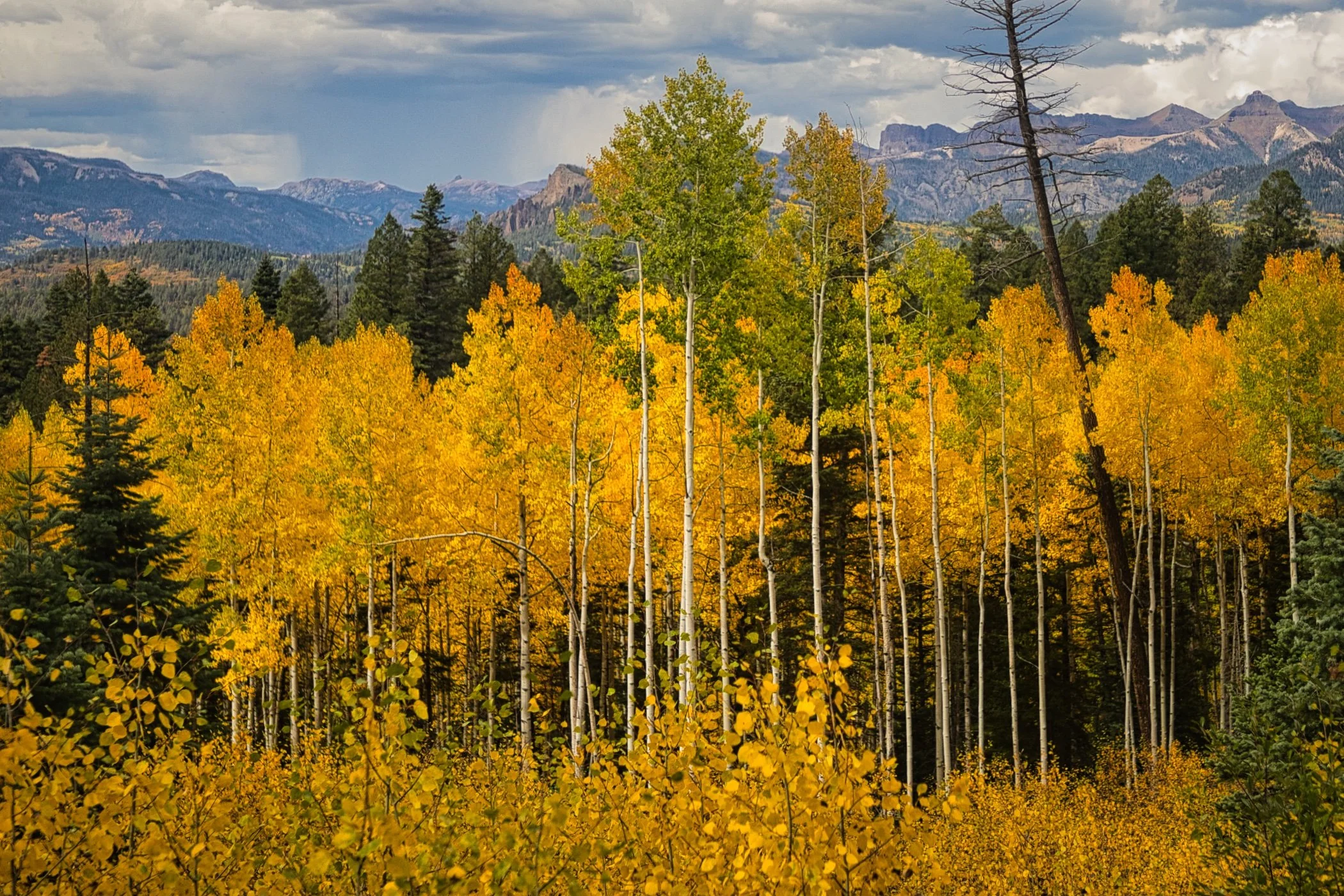
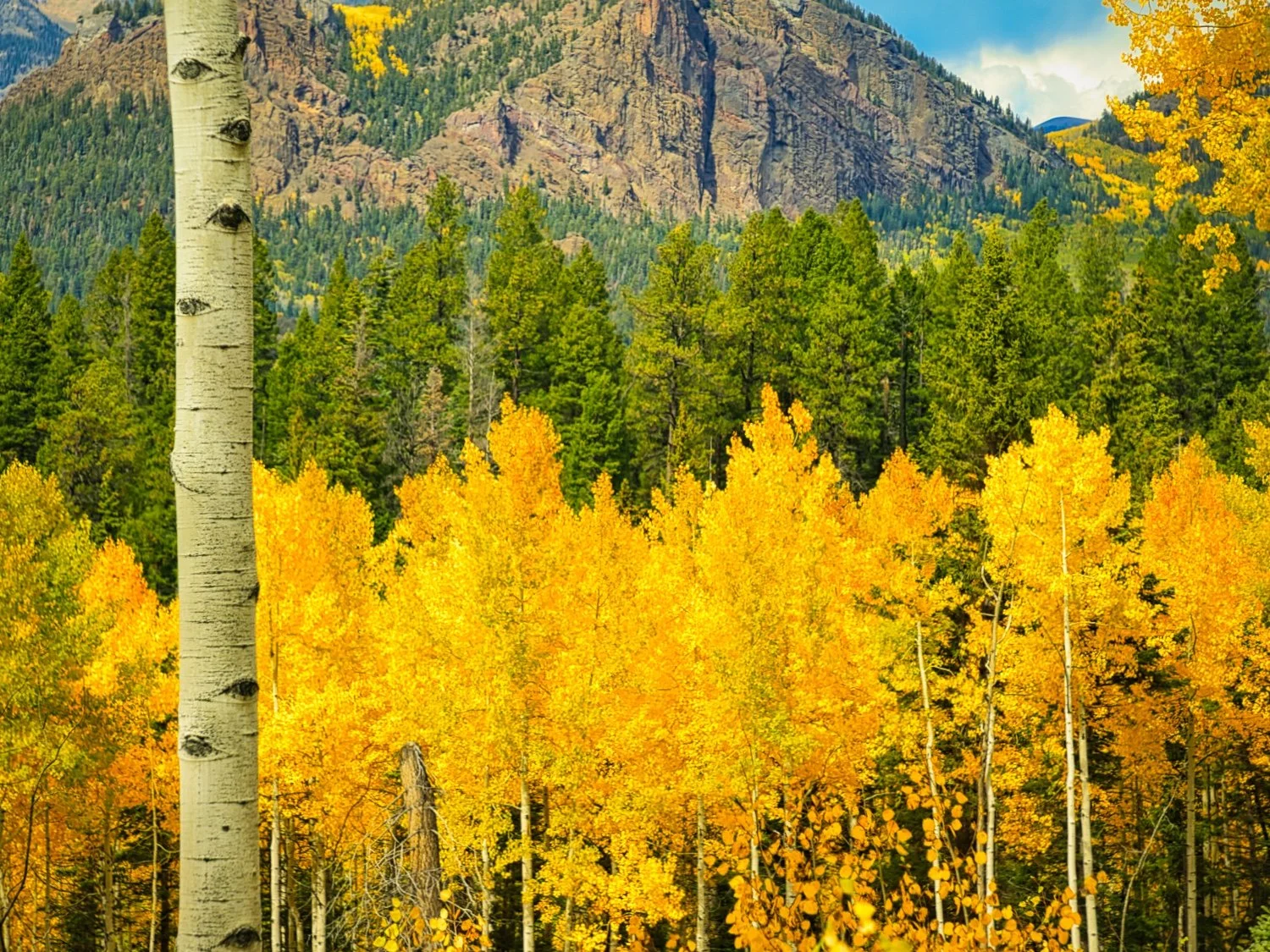
The images cycling below are some of my favorites from the 2026 fall season.